Introduction
All the exhibitions we present are of great importance to us. This one, however, carries a particular and profound significance.
It brings together seven artists who share a cognitive condition and who, throughout their lives, have exercised their talent and creativity as a primary language of expression. Of these seven artists, I have had the opportunity to meet only Ranchinho and Clovis in person; my engagement with the others has taken place directly through their works.
The invited curator, José Augusto Ribeiro, conducted extensive research and engaged closely with the works until confirming the selection presented here. In addition, we are honored to include texts by two distinguished contributors. Eurípedes Junior and Dr. José Gallucci Neto were invited in recognition of their sustained professional engagement, within their respective fields, with individuals experiencing mental health conditions.
Eurípedes Junior worked directly with Dr. Nise da Silveira and has since continued his work as a researcher at the Museum of Images of the Unconscious, which holds an exceptional collection that has been exhibited in major institutions and biennials in Brazil and abroad. Dr. Gallucci Neto, a psychiatrist and scientist, maintains a close clinical practice, supporting and treating patients as they navigate the complexities of daily life.
We hope that A New Language will not only draw attention to issues that are often overlooked or avoided but also offer a meaningful and moving experience to its audience.
Vilma Eid
A New Language
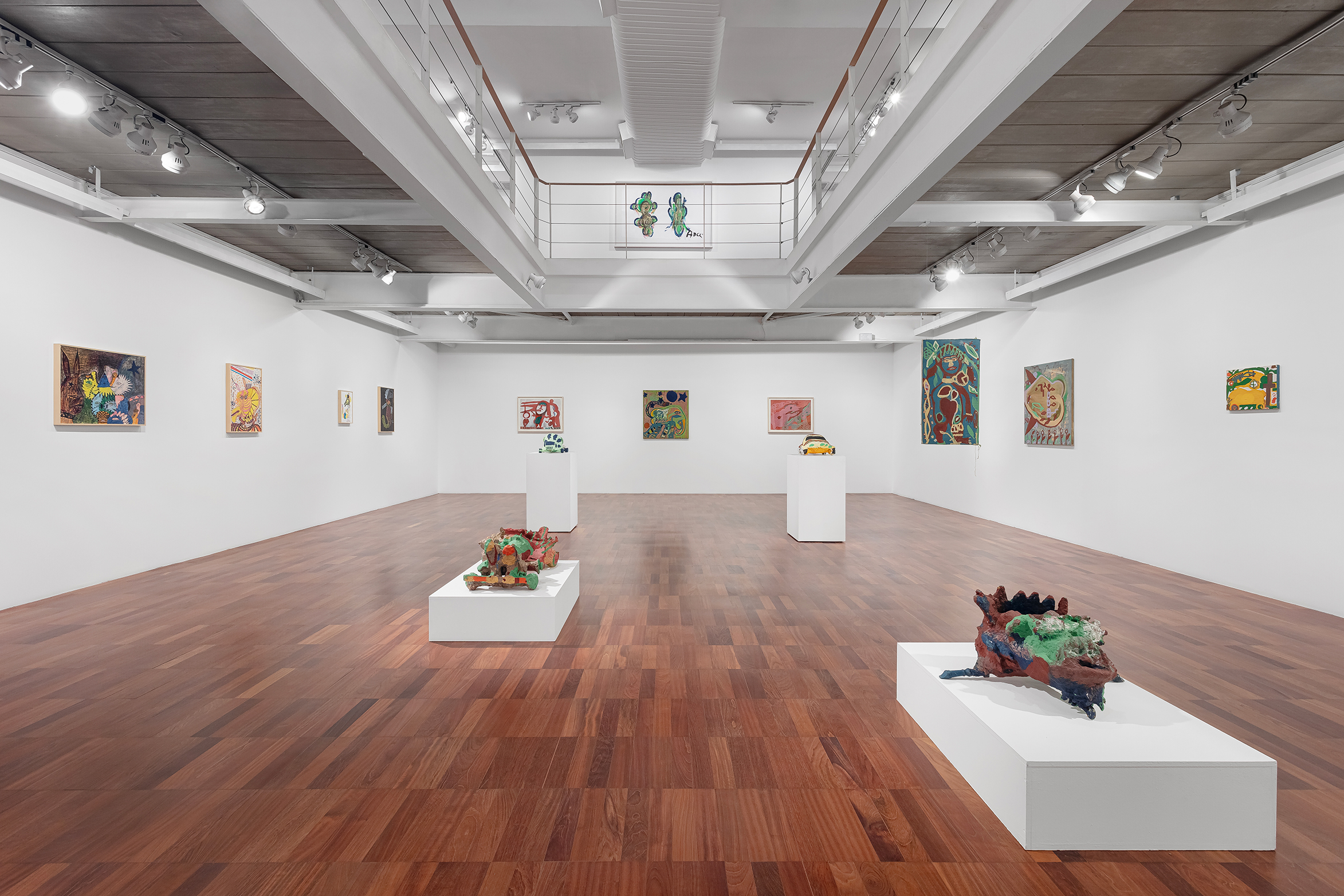
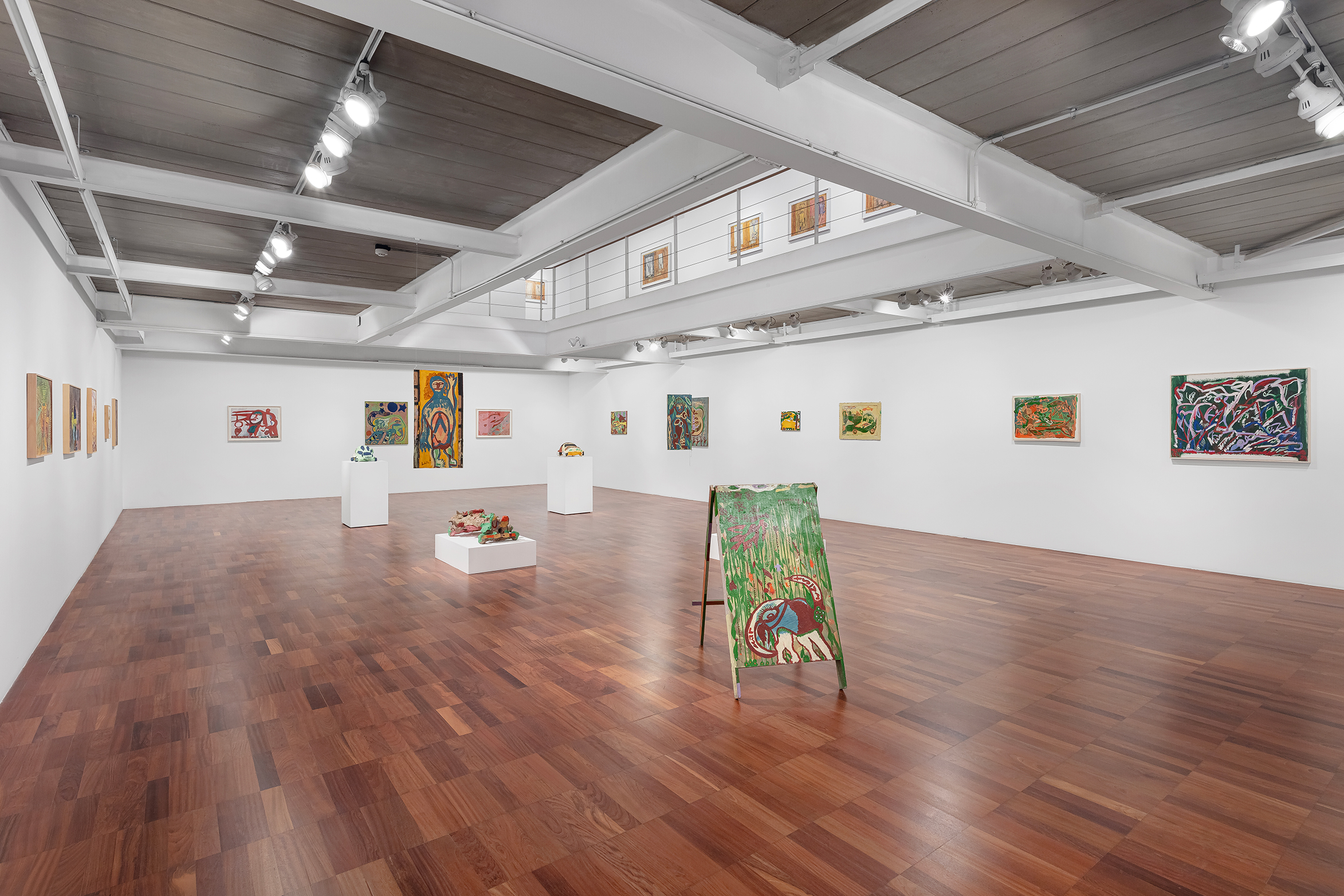
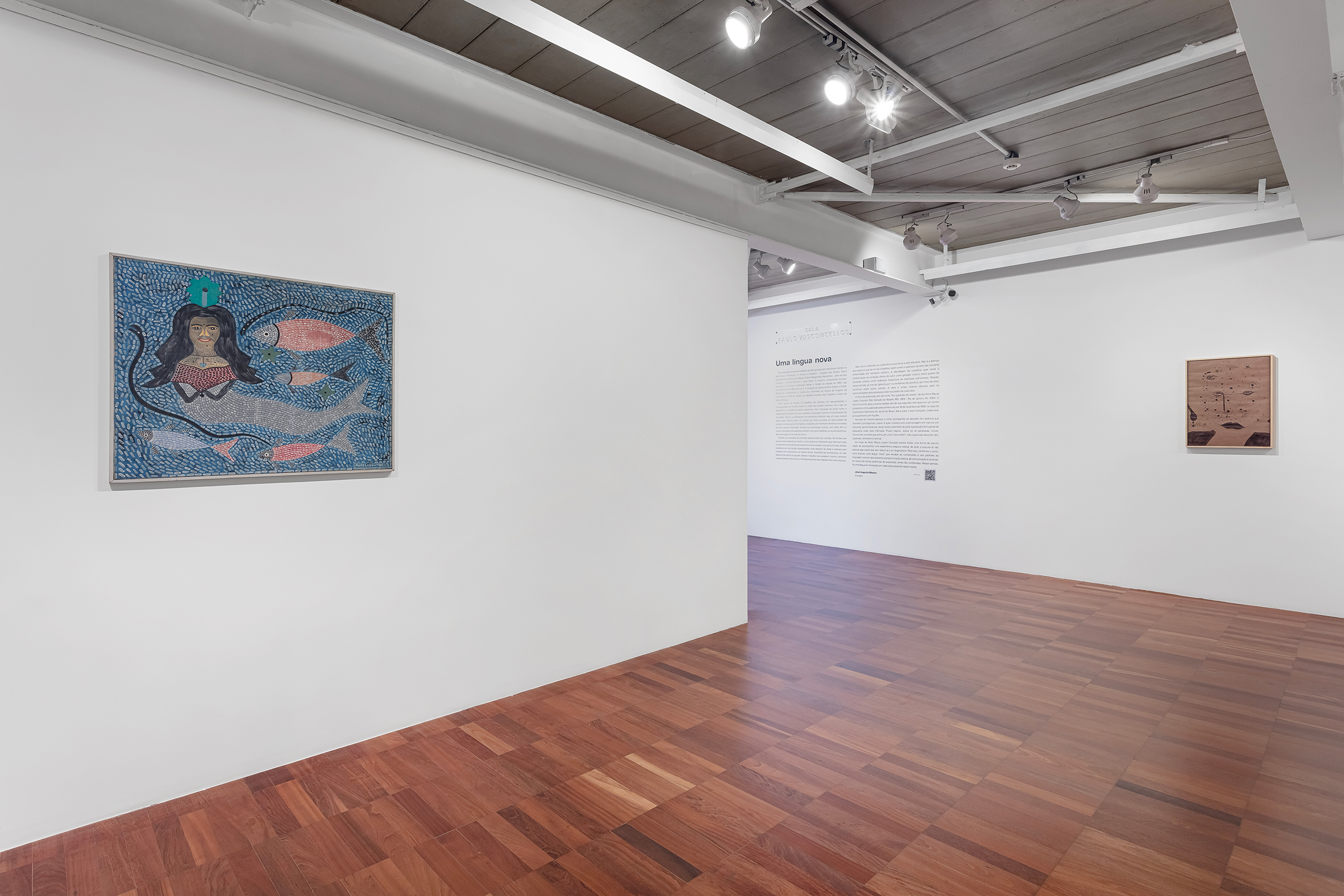
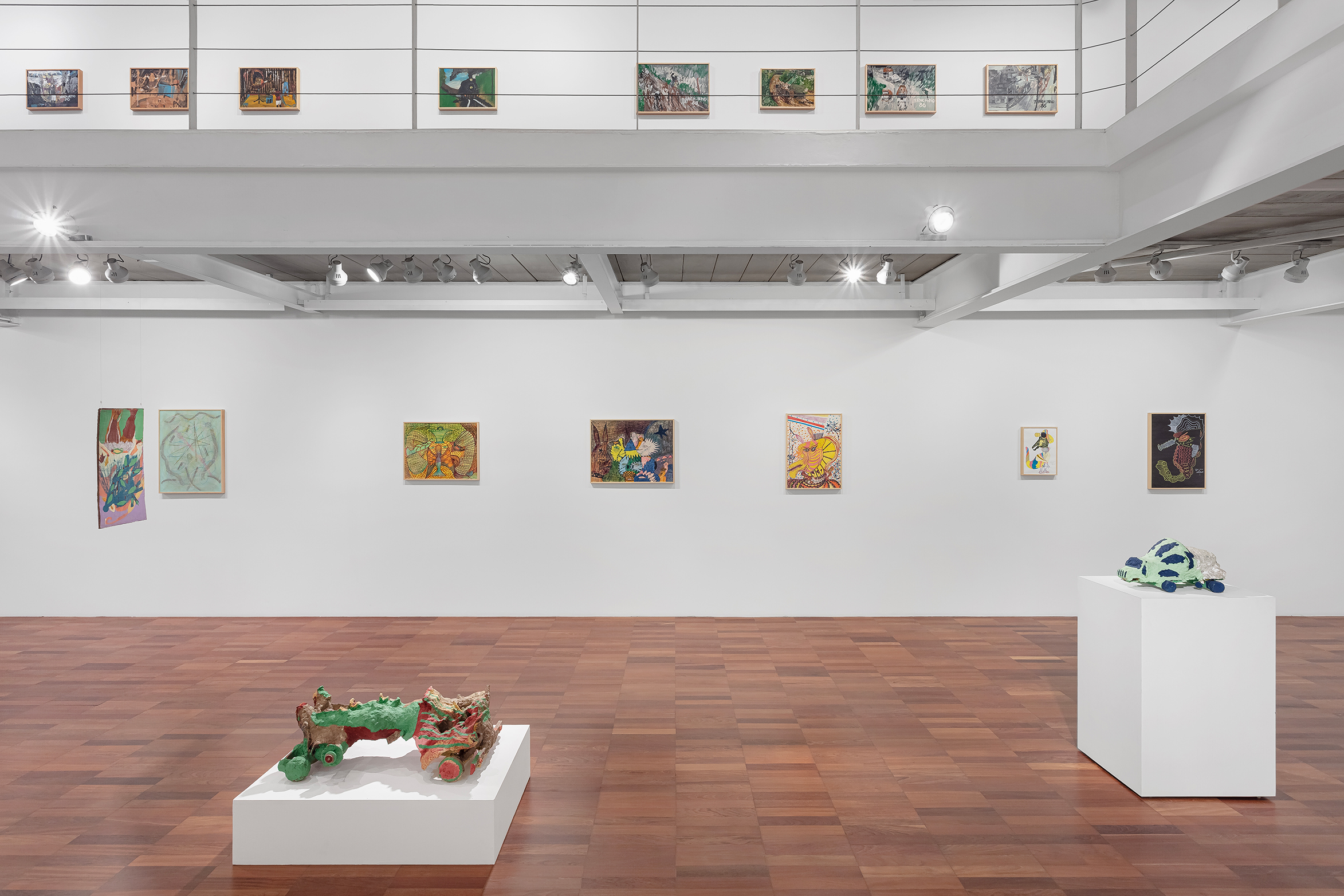
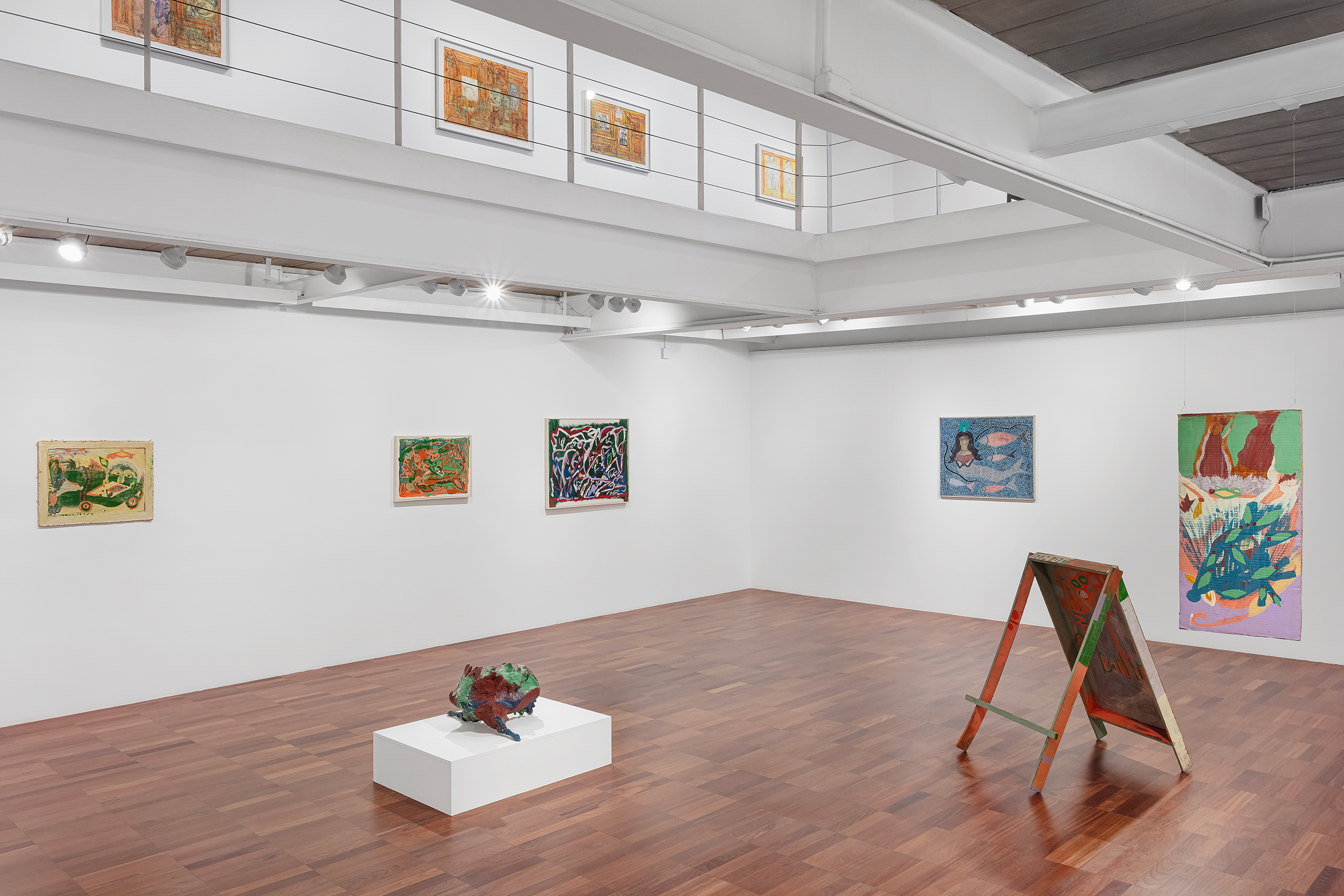
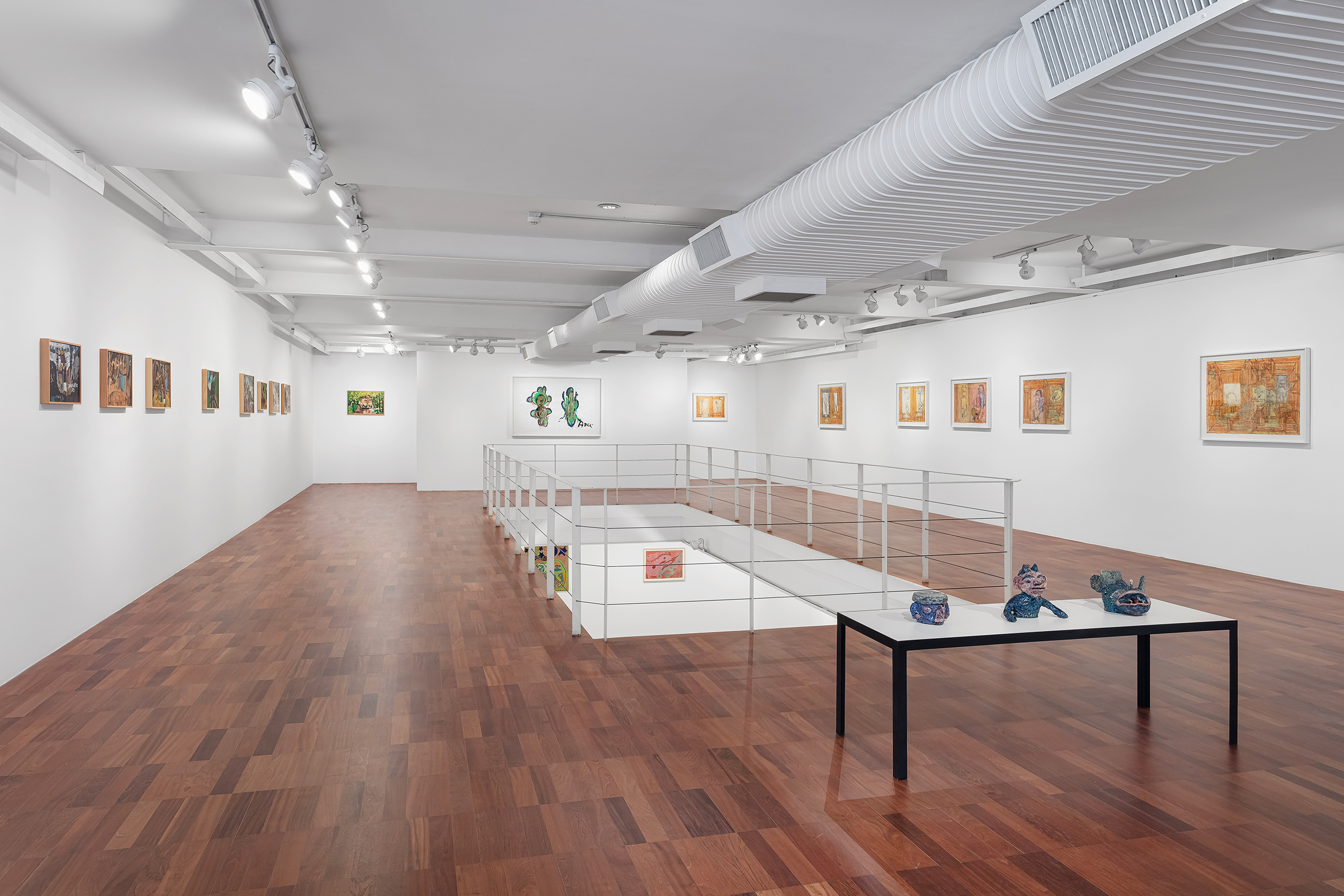
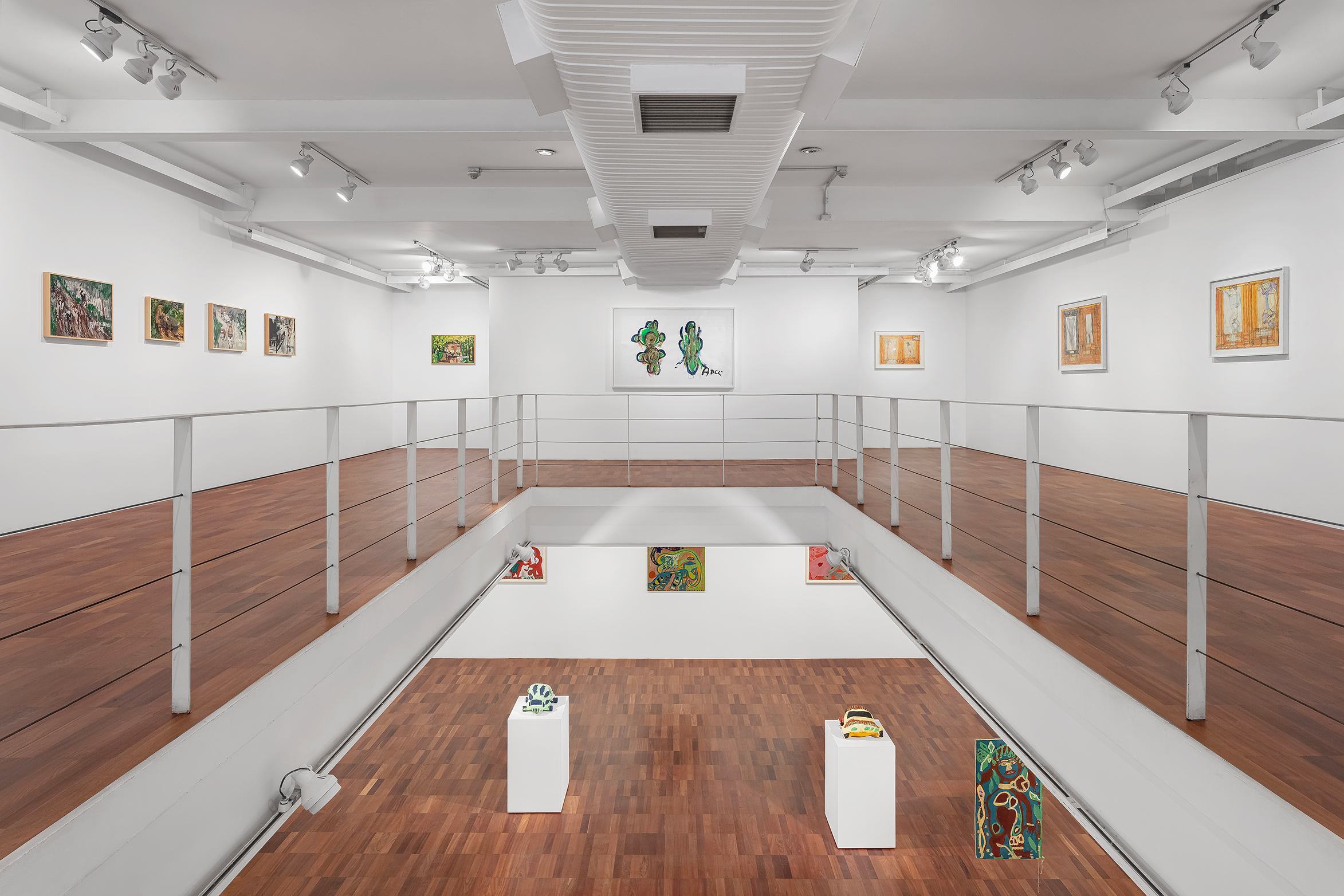
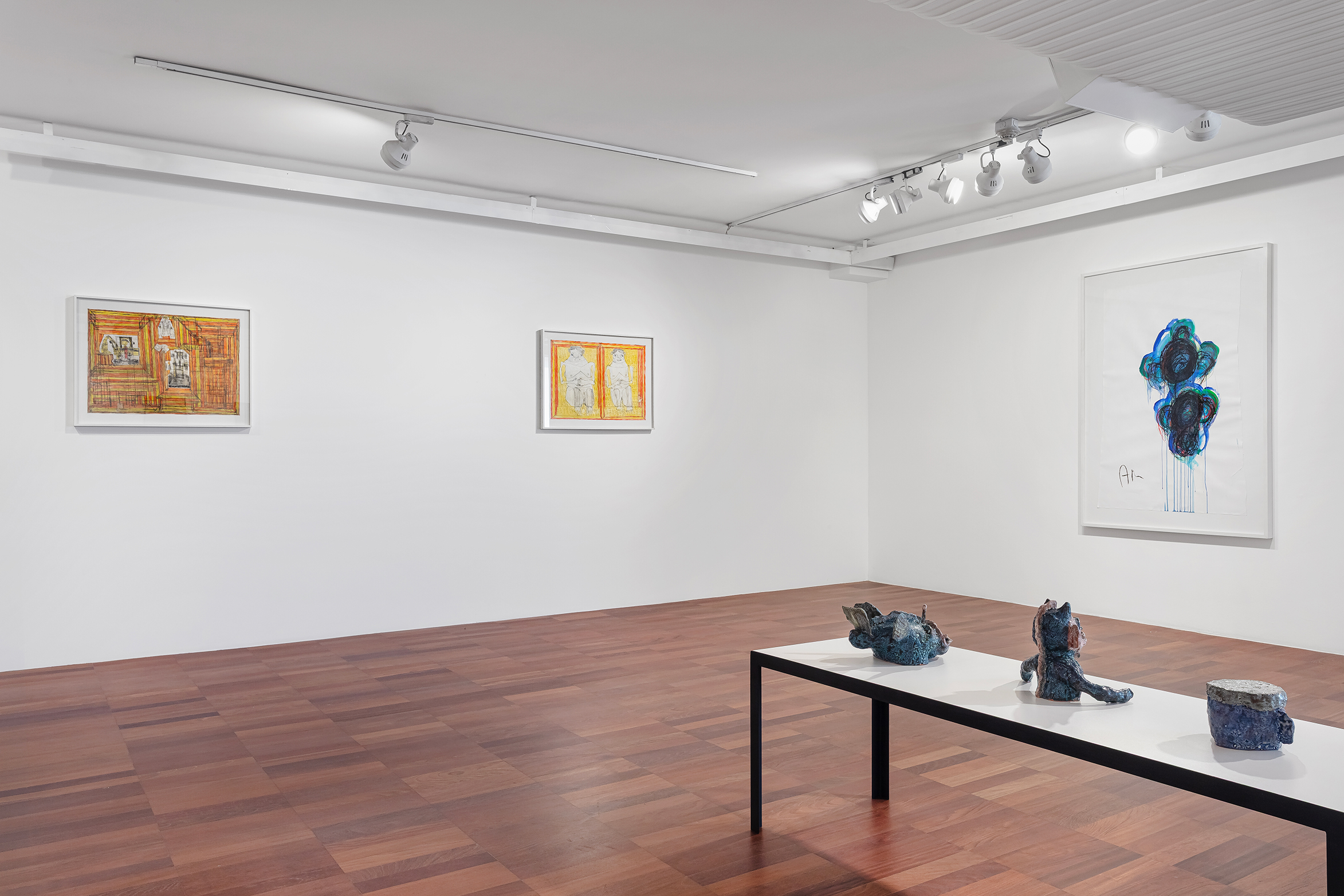
This exhibition presents works by seven artists with mental health conditions or intellectual disabilities. Most are Brazilian: Aurelino dos Santos, Clóvis Aparecido dos Santos, Enio Sérgio, Esther Morgannah, and Ranchinho, alongside two European artists, Arnold Schmidt and Josef Hofer. The group of artworks includes paintings, drawings, and sculptures produced since the mid-1960s, though primarily from the 1980s onward. Except for works by Enio Sérgio and Esther Morgannah, which are on loan through the Museu de Imagens do Inconsciente (Museum of Images of the Unconscious) in Rio de Janeiro, the works gathered here belong to the collection of Galeria Estação.
As with the artists themselves, the works presented here are highly diverse. They encompass both representations and transformations of the empirical world, as well as visions of inner worlds. One finds both the rigor of geometry and the expansiveness of gestural expression; depictions of rural scenes, reconfigurations of elements of the urban landscape, and expressions of intimacy. A largely self-taught approach may be a shared characteristic among this group. While some were denied access to formal artistic education, others developed through highly cultivated practices and sustained engagement with cultural references. Some works were created without any reference to the field of art, while others demonstrate clear awareness of it. Although all identify as artists, not all have understood the position their work occupies within the art circuit or, more broadly, within the cultural sphere.
The conditions under which these works were produced are equally varied. Some artists were never formally diagnosed, never received treatment, and created under conditions of isolation and deprivation. Others live in specialized institutions, where they have access to studios and materials, working with autonomy while also receiving professional support. One of the aims of this exhibition, in bringing together such varied artists and works, is precisely to move beyond totalizing or homogenizing categorizations of the relationship between art and madness.
Here, it is neither disorder nor disability that renders the work significant. Illness does not explain what we see, just as the practice of art does not transform illness into an aesthetic value. The curatorial approach seeks to avoid romanticizing the artist’s clinical condition as a source of creativity, just as it resists framing artistic activity as a form of temporary redemption from suffering. In this sense, it challenges the myth of the “mad genius”, and resists attempts to construct narratives about these artists through their work. Instead, it aims to draw attention to the specificities of each artist’s process and to the distinct outcomes of each work.
The title of the exhibition is drawn from the short story “No quadrado de Joana”, (In Joana’s Square) by the writer Maura Lopes Cançado (São Gonçalo do Abaeté, MG, 1929 – Rio de Janeiro, RJ, 1993). The text was written after the author was discharged from her second hospitalization in a psychiatric institution, the Gustavo Riedel Hospital, in the Engenho de Dentro neighborhood of Rio de Janeiro, between November 1957 and February 1958, and was first published on November 16, 1958, on the front page of the Sunday Supplement of Jornal do Brasil, a daily newspaper to which Cançado frequently contributed, particularly with works of fiction.
Narrated in the third person, the story follows an episode of catatonia experienced by the protagonist, Joana. The action begins with the character in motion, walking in a straight line, repeatedly tracing the perimeter of the hospital courtyard (a square) of the psychiatric institution where she is confined. Shortly thereafter, Joana becomes paralyzed, immobile. Conscious, she believes she has entered a “new order,” under which everything must be straight, square, repetitive, and vertical.
From that moment on, the character struggles “to remain framed in time.” With her mouth “fixed,” she avoids words, circles, and curves, as well as flowers and the “dance of sounds,” all of which threaten her rigidity. She thinks of “correct” numbers (44, 77, but not 60, too sinuous) and waits for a “new language,” suited to her “flat-smooth-precise” condition. Until Joana collapses to the ground and meets “impatient eyes,” when a “new” word appears “in the air”: “catatonic.” Faced with this, she “thinks desperately: could this be the beginning of the new language, now that I have fallen apart?”
The “new language” the character refers to is therefore not another language, with a systematized vocabulary and grammar. Nor is it simply the language of illness. If “catatonic” is its first sign, this still-unformed language does not emerge from the protagonist, but rather appears “in the air,” from outside, most likely from the medical staff, in the form of a diagnosis. In this sense, a new language does not carry exclusively positive or negative meanings.
In the ambiguity of its structure, the story sustains at least two insufficiencies: that of everyday language, which fails to grasp what Joana is going through and no longer suffices to describe the internal logic she experiences during the episode, or the world she has entered; and that of medical language, which classifies Joana, identifying a syndrome in her through a word in which she does not recognize herself, a term that neither fully describes nor adequately explains what she felt and perceived at that moment.
In “In Joana’s Square,” Maura Lopes Cançado appears to explore a form of writing capable of accompanying a radical psychic experience of expressing madness itself (rather than merely speaking about it) without reducing it to a diagnosis. To do so, as the story suggests, would require a “new” language, one that escapes the conventions and structures of ordinary language, that subverts its very practical function of communication and control in pursuit of other, as yet unknown, expressive possibilities.
The literature on Aurelino dos Santos (Salvador, BA, 1942–2026) often describes him as someone who wandered the streets of Ondina, in Salvador, shirtless, wearing shorts, collecting objects to use in his work, whether to trace forms or to affix them onto the surface of his compositions. It is for this reason that one finds, in his works, packaging and cigarette butts, margarine labels, matchboxes, bottle caps, and pages from newspapers and magazines. Although he was not literate, Aurelino filled his works with text, words, letters, and numbers, sometimes alongside his signature, which he had memorized how to draw.
The artist himself recounts that he began painting in the 1960s, when he was working as a bus fare collector, following the suggestion of the sculptor Agnaldo Manoel dos Santos. In his works, Aurelino constructs a geometry that shifts and oscillates through lines and brushstrokes moving in varied directions, with acidic colors and details that multiply across canvases, wood panels, and cardboard. In addition, he often “covered” his totemic constructions and urban landscapes, flat compositions that appear to be seen both frontally and from above with splatters of black and white paint, frequently mixed with sand, giving the surface a stone-like appearance.
Ranchinho (Oscar Bressane, SP, 1923 – Assis, SP, 2003) was also not literate. He had difficulties with speech and hearing. From childhood, Sebastião Theodoro Paulino da Silva lived in the city of Assis, in the interior of São Paulo state. Accounts of his behavior often describe it as childlike and playful, alongside records of episodes of sexual exhibitionism. Ranchinho began painting in the second half of the 1970s and is estimated to have produced around 3,000 works. The works included in this exhibition were made primarily in the 1980s and range from circus scenes to depictions of rural daily life. His work stands out, among other reasons, for his ability to paint quickly, with decisive gestures and loose brushstrokes that seem effortless, giving form to figures without outlines. Beyond its expressive energy, his painting possesses a strong material presence. Often, the signature and date, applied boldly and prominently in the lower right quadrant, become part of the image itself, adding graphic signs of letters and numbers to the depicted scenes.
Arnold Schmidt (Wiener Neustadt, Austria, 1959) and Josef Hofer (Wegscheid, Germany, 1945), in turn, are artists who live in institutional settings. Schmidt has resided since 1986 at the House of Artists in the village of Maria Gugging, Austria, while Hofer has lived since 1992 at a center run by Lebenshilfe, a social organization dedicated to people with physical and intellectual disabilities, in Ried im Innkreis, also in Austria. After his first hospitalization in a psychiatric institution in the early 1980s, Schmidt began producing his artworks. From the following decade onward, his production came to consist of variations on a single compositional scheme, built through circular gestures concentrated at the center of the paper, layering acrylic paint, gouache, graphite, and oil pastel. Through the rapid movements that accumulate within a defined area of the support, the work often hovers at the threshold of abstraction although, depending on the gestural intensity involved in the process, it is possible, with varying degrees of clarity, to discern figurations of human bodies, bicycles, birds, and airplanes, almost always rendered in vibrant colors.
Josef Hofer, for his part, began producing work in a therapeutic studio in 1977. Born deaf, mute, and with limited mobility during the Second World War, he survived the Third Reich. His early drawings, made in youth, depicted his daily life on the farm where he lived, including tractors, agricultural machinery, and domestic objects. From 2000 onward, already at the institution where he continues to reside, Hofer’s work underwent a significant shift when he began drawing (and drawing himself) in front of a one-square-meter mirror placed on the floor of his room. Since then, drawing from experiences of self-awareness and his own sexuality, he has produced numerous erotic works in which he multiplies his own image, consistently framed by bands of red, yellow, and orange arranged vertically, horizontally, and diagonally. Executed in graphite and colored pencil, these works combine quasi-abyssal constructions, repeated forms that seem to project the image inward into the paper, with distorted representations of the human body.
The works by Hofer included in this exhibition belong to this period, produced between 2001 and 2014. In the meantime, in 2007, Hofer received as a gift a book featuring reproductions of drawings and watercolors by another Austrian artist, Egon Schiele (Tulln an der Donau, Austria, 1890 – Vienna, Austria, 1918), whose influence on his subsequent production is clearly perceptible.
Clóvis Aparecido dos Santos (Avaré, SP, 1960) is often described as a wanderer. Accounts relate that, in his youth, he walked from the interior of São Paulo, where he was born, to Rio de Janeiro, where he has lived ever since. From the 2000s onward, the artist began attending Ateliê Gaia, a space collectively used and managed by artists within Rio de Janeiro’s public mental health network, with support from the team of the Bispo do Rosário Museum. There, Clóvis produces paintings and sculptures using a remarkable range of materials: musical instruments, pieces of cardboard boxes, fabrics, PET bottles, and easels. Many of his sculptures are also made with papier-mâché, used both to give structure to the forms and to bind together their various components. In his work, matter and image converge through the combination of diverse supports and the hybridity of his figures, which often merge elements of human beings, animals, plants, and vehicles. Numbers, words, and a graphic language reminiscent of writing are also integral to this system.
Like Clóvis, Enio Sérgio (São João del Rei, MG, 1962) conceives hybrid creatures, particularly in his production from 2010 onward. Yet his images, such as birds wearing shoes and carrying umbrellas, or a bipedal reptile, a kind of dinosaur, dressed in psychedelic clothing and a hat, tend to evoke humor more than monstrosity. The beginning of Enio’s artistic production is linked to the period of his hospitalization at the Pedro II Psychiatric Center in Rio de Janeiro, between 1987 and 1999. Since then, he has attended the Museum of Images of the Unconscious (MII), which has also incorporated his works into its collection. His production is highly varied. It ranges from black-and-white drawings with a surrealist inclination to colorful abstract compositions, as well as figurations of imaginary beings, part human, part animal, rendered in intense colors and geometric patterns. For a time, the artist refused to sell his works. Instead, he produced reprographic copies of his drawings and paintings, hand-colored each one, and sold them at modest prices. Today, however, he exhibits and sells his “original” works. More recently, in 2024, an exhibition at the Cultural Center of the Federal University of São João del Rei, in Minas Gerais, presented a broad overview of his production—from works made in the late 1990s to recent pieces during the First Nise da Silveira Festival.
Another frequent visitor to MII is Esther Morgannah (Rio de Janeiro, RJ, 1965), who has been attending the institution regularly for approximately two years. Since then, the artist has expanded her practice in painting and sculpture. The works she presents in this exhibition belong to her most recent body of production: polychrome ceramics. There are three pieces: one inspired by the abyssal fish found in the Mariana Trench, the deepest point on Earth, located in the western Pacific Ocean; another referencing representation of Aztec gods; and a third depicting a marine creature imagined by Morgannah as an allusion to the myth of Atlantis. This is, therefore, a learned and research-driven body of work, marked by an interest in mythology and, among other subjects, in behavioral archetypes, images, and symbols that, according to the theory of Swiss psychiatrist Carl Jung (Kesswil, Switzerland, 1875–Küsnacht, Switzerland, 1961), inhabit humanity’s collective unconscious. Morgannah is currently pursuing an undergraduate degree in museology. She participates in the Anti-Asylum Struggle movement (a critical perspective that connects the psychiatric reform movement with countercolonial, anti-racist, and anti-prohibitionist agendas), based in Rio de Janeiro, as well as in advocacy groups for the rights of LGBTQIAPN+ people, including Transcrições, affiliated with the Evandro Chagas National Institute of Infectious Diseases at Fiocruz, also in Rio de Janeiro.
In fact, the period on which this exhibition focuses, the last 46 years, traces back to the creation of the Mental Health Workers’ Movement in 1978 in Rio de Janeiro and to the Anti-Asylum Struggle, which gained national momentum in the mid-1980s. Together, these two social movements transformed the landscape of advocacy in Brazil for the rights of people experiencing psychological distress and for the dismantling of the asylum model, based on segregation, confinement, and abusive, violent, and punitive practices, as a form of treatment. Building upon work initiated in the first half of the 20th century by psychiatrists such as Osório César (João Pessoa, PB, 1895–Franco da Rocha, SP, 1979) and Nise da Silveira (Maceió, AL, 1905–Rio de Janeiro, RJ, 1999), these efforts continue to reshape, today, the ways in which Brazilian society relates to madness, through public policies aimed at psychiatric reform and initiatives that seek to increase general awareness of mental health while reducing the stigma faced by individuals with mental health conditions and disabilities.
Meanwhile, a language in formation emerges within each work presented in this exhibition.
José Augusto Ribeiro
Curator